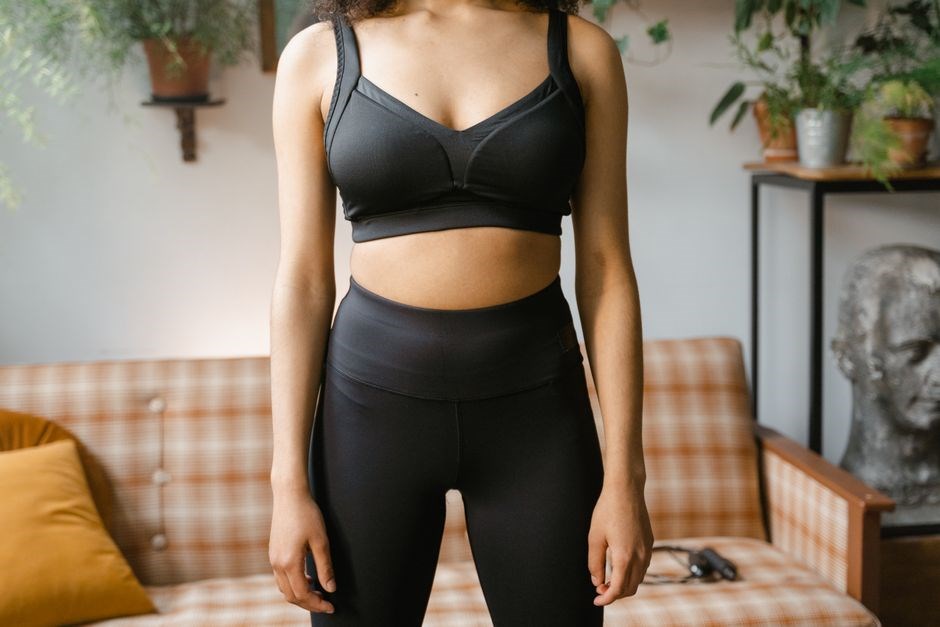
Discover why a well‑fitted bra matters: it supports posture‚ reduces pain‚ and boosts confidence. This guide outlines simple measuring steps‚ common fit issues‚ and style choices to help you find comfort and confidence in every wear. Learn how to adjust straps‚ pick the right cup‚ and avoid pitfalls!
Why Bra Fit Matters
Proper bra fit is essential for both comfort and health. An ill‑fitting bra can lead to chronic back‚ neck‚ and shoulder pain‚ as well as skin irritation and uneven breast shape. When the band is too loose‚ the bra slides down‚ causing the cups to shift and create a “popping” effect that can be both embarrassing and uncomfortable. Conversely‚ a band that is too tight compresses the rib cage‚ restricting breathing and circulation. The cups must support the breast tissue without squeezing it; a cup that is too small can compress the breast‚ while a cup that is too large can cause the breast to sag or spill over the edges‚ leading to a loss of shape and support. Good fit also affects posture: a properly supported bra keeps the shoulders relaxed and the spine aligned‚ reducing the risk of long‑term musculoskeletal issues. Beyond physical health‚ a well‑fitted bra boosts confidence and body image. When the bra feels snug but not restrictive‚ it enhances natural shape and allows freedom of movement‚ whether you’re exercising‚ working‚ or simply relaxing. In short‚ the right fit protects the body‚ promotes wellness‚ and empowers you to feel comfortable in your own skin. Replace your bra every 12‑18 months; elastic fibers lose elasticity‚ reducing support. Weight changes‚ pregnancy‚ and aging alter breast shape‚ requiring periodic re‑measurement. A well‑fitted bra aids early detection of breast anomalies; a snug bra helps notice changes during self‑examination; Regular replacement keeps support. Weight changes alter breast shape‚ re‑measurement needed!

Measuring for a Perfect Fit
Use a flexible tape measure to record underbust and bust measurements. Measure snugly around the rib cage‚ then over the fullest part. Subtract 4–5 inches for band size‚ then match cup size by comparing bust difference. Repeat for accuracy. Fit well‚ feel great; Stay!
Band Size Measurement
Accurate band sizing is the foundation of a supportive bra. Start by wearing a well‑fitted‚ non‑padded bra that fits comfortably. Use a soft measuring tape and wrap it snugly around the rib cage‚ just below the bust. The tape should lie flat against the skin without compressing. Record the measurement in inches. To convert this to a band size‚ subtract 4 inches for women with a 34–38 inch underbust and 5 inches for 39–42 inches. If the result is a half number‚ round up to the next whole number. For example‚ a 34‑inch underbust yields a 30‑inch band (34‑4=30). A 38‑inch underbust gives a 33‑inch band‚ which rounds to 34. Always double‑check by measuring again; a slight shift can change the band size by an inch. A properly sized band should feel snug but not constricting‚ and the bra should stay in place without sliding. If the band is too loose‚ the cups may sag; if too tight‚ it can cause discomfort and uneven support. Adjusting the band width or adding a band extender can help achieve the perfect fit. Remember‚ the band is the most critical element for overall support‚ so invest time in measuring accurately and choosing a band that feels secure and comfortable.

By mastering these measurements‚ you can confidently shop online or in-store‚ ensuring each bra not only fits but feels like a second skin. Remember to remeasure annually or after significant weight changes‚ as body dynamics evolve. A well‑fitted band supports your shape‚ enhances posture‚ and lets you move freely‚ turning
Cup Size Measurement
When converting the difference to a cup‚ remember use a 1‑inch rule‚ some use 0.5‑inch increments for half‑cups. A 1‑inch difference equals an A cup‚ 2‑inches B‚ 3‑C‚ 4‑D‚ 5‑E‚ and so on. For a 38‑inch bust over a 34‑inch band‚ the 4‑inch difference translates to a D cup. If the difference is a half‑inch‚ round up to the next cup. Always double‑check by measuring again; small variations can shift the cup by a half size. Keep a logaa of your measurements and the cup each time you shop‚ as sizing can vary between manufacturers. If the cup feels too tight‚ try a larger cup or a style with extra padding. If the cup feels too loose‚ a very extra smaller cup or tighter band may help. Accurate cup sizing ensures proper support‚ reduces strain‚ and enhances comfort for everyday wear.
Common Fit Problems
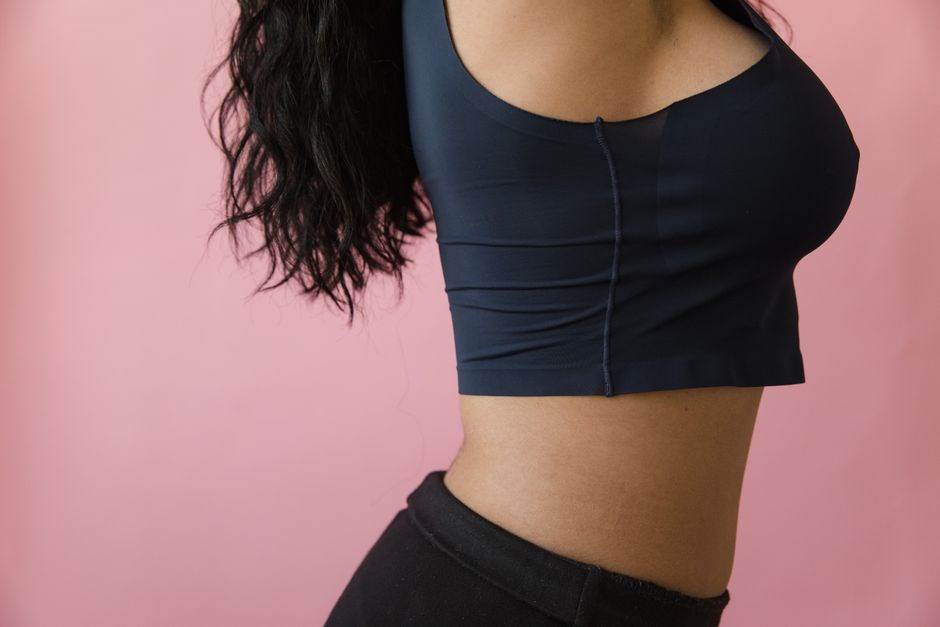
Ill‑fitting bras can cause neck‚ chest‚ and shoulder pain‚ create lines‚ and shift the bust unevenly. Common issues include straps digging‚ cups sagging‚ and bands slipping. Proper sizing‚ adjustments‚ and style selection can alleviate discomfort and improve confidence.today.
Shoulder Strain and Back Pain
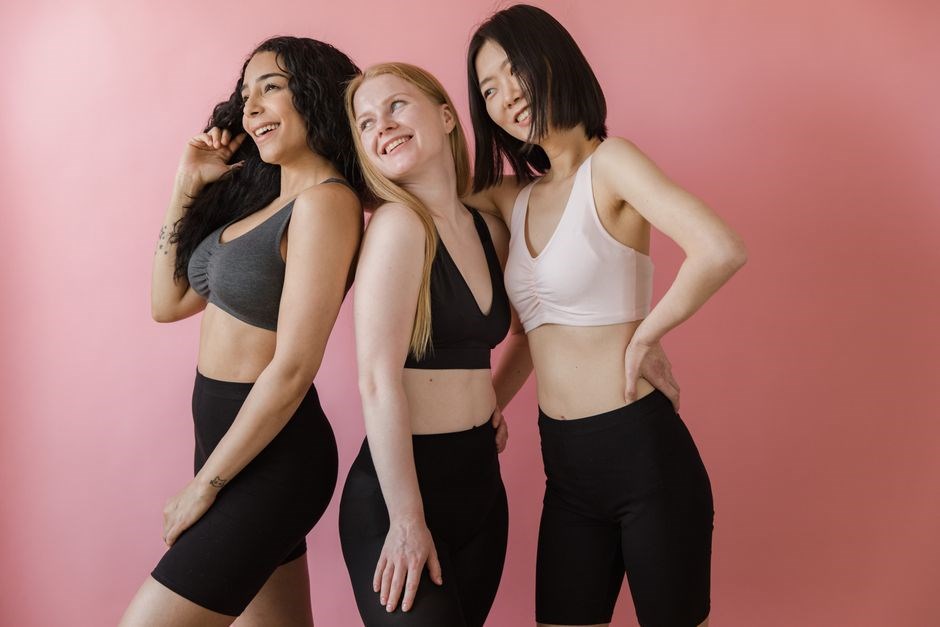
When a bra’s straps are too tight or the band is too loose‚ the weight of the breasts is misdirected‚ pulling the shoulders forward and compressing the spine. This imbalance forces the trapezius and rhomboid muscles to over‑compensate‚ leading to chronic neck tension‚ rounded shoulders‚ and lower‑back discomfort. Studies show that roughly 80 % of women wear bras that are either too small or too large‚ which exacerbates these symptoms. Proper fit begins with accurate band measurement—measure around the rib cage just below the bust‚ then add 4–5 cm for a snug band. Cup size should be determined by measuring the fullest part of the bust and subtracting the band measurement; the difference dictates the cup letter. After sizing‚ adjust the strap width so that the straps sit comfortably on the shoulders without digging into the skin. If the straps are too narrow‚ the bra will slide down‚ forcing the band to bear most of the weight and creating a “slip‑and‑slide” effect that aggravates back strain. Conversely‚ straps that are too wide can spread the load across the shoulder blades‚ causing a “saddle” feeling and further spinal misalignment. To mitigate these issues‚ choose bras with adjustable straps‚ a secure band‚ and a cup that fully supports the breast tissue. A well‑balanced bra distributes weight evenly‚ reducing muscular fatigue and promoting better posture throughout the day. By fitting‚ can prevent musculoskeletal problems and enjoy comfort. A correctly fitted bra also enhances confidence‚ allowing you to focus on performance rather than discomfort. Remember‚ a good bra should feel like an invisible support‚ not a restrictive band. If you notice persistent pain‚ consult a professional fitter to reassess your size and style!!!. Let a well-fitted bra be your confidence booster‚ ensuring comfort and support!!
Uneven Cup Support
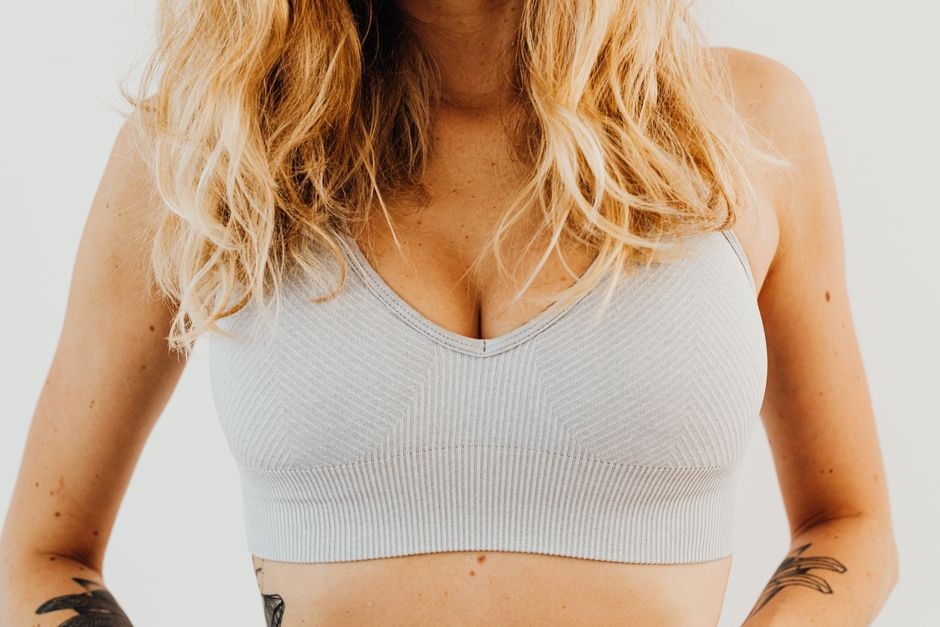
Uneven cup support is a frequent problem that occurs when a bra’s cup does not fully cradle the breast tissue‚ leading to a lopsided appearance and discomfort. The main culprit is often an inaccurate cup size: a cup that is too small on one side or too large on the other can cause the breast to shift‚ creating a “slip” effect. Another cause is the cup shape—flat or shallow cups fail to provide adequate lift‚ especially for fuller busts‚ while overly deep cups can trap excess tissue and compress the breast‚ resulting in a “pushed‑in” look. Additionally‚ the placement of the band relative to the bust line matters; a band that sits too low can push the cup upward‚ while a band that is too high can pull the cup downward‚ both scenarios producing uneven support. To correct uneven cup support‚ begin with a precise measurement: wrap a soft tape around the fullest part of the bust‚ then subtract the band measurement to determine the correct cup letter. If your measurements fall between two cup sizes‚ choose the larger cup to avoid compression. Consider bras with adjustable cups or “push‑up” designs that redistribute tissue for a balanced silhouette. For those with asymmetry‚ a “custom” or “half‑cup” bra can provide tailored support. Finally‚ ensure the straps are even and the band is snug but not tight; uneven straps can pull the bra off‑center‚ exacerbating cup imbalance. By addressing these factors‚ you can achieve a harmonious fit that supports both comfort and confidence. Comfort and confidence start with proper fit.
Enjoy day now.

Choosing the Right Bra Style
Choosing the right bra style hinges on shape‚ support‚ and comfort. Full‑cup bras offer maximum lift for larger busts‚ while demi‑cups suit moderate sizes. Bralettes provide a relaxed fit‚ ideal for everyday wear‚ whereas push‑ups enhance cleavage. Match style to your silhouette for best results. Fit!!
Full-Cup vs. Demi-Cup
Full‑cup bras provide complete coverage‚ ideal for larger busts or when extra support is needed. They feature a fully rounded cup that holds the breast in place‚ reducing movement and preventing spillage. The wide band and reinforced stitching give a sturdy feel‚ while the inner lining often includes padding or a soft mesh for comfort. Full‑cups are best when you want a natural lift and a secure fit‚ especially for activities that involve a lot of motion.
Demi‑cups sit just below the bust line‚ offering a half‑cup shape that is lighter and less restrictive. They are perfect for moderate bust sizes or for those who prefer a more subtle lift. The design allows the breasts to rest comfortably without the bulk of a full cup‚ making them suitable for everyday wear or for layering under low‑cut tops. Demi‑cups also provide a streamlined silhouette‚ which can be flattering under fitted clothing.
Choosing between full‑cup and demi‑cup depends on your shape‚ comfort preference‚ and the look you’re aiming for. If you need maximum support and coverage‚ go full‑cup. If you want a lighter feel with a modest lift‚ a demi‑cup is the way to go. Always try both styles on to see which feels more natural and supportive for your body type.
For many‚ the choice comes down to comfort versus coverage. Full‑cups feel heavier but keep the breast in place‚ ideal for active wear. Demi‑cups are lighter‚ less bulky‚ and suit everyday wear with a subtle lift today!!!!
Bralette vs. Push-Up
When choosing between a bralette and a push‑up‚ consider comfort‚ style‚ and the desired lift. A bralette is typically unlined‚ made from soft fabrics like cotton or modal‚ and offers a relaxed fit that lets the breasts rest naturally. It’s ideal for everyday wear‚ low‑impact activities‚ or when you want a breathable‚ minimalist look. Bralettes often feature elastic or adjustable straps and a wide band that distributes weight evenly‚ reducing strain on shoulders and back.
A push‑up bra‚ on the other hand‚ is engineered for shape and contour. It contains padding or a built‑in cup that pushes the breasts toward the center‚ creating a fuller‚ more pronounced cleavage. The cup is usually thicker and may have a structured lining‚ which helps maintain the lift throughout the day. Push‑ups are favored for evening wear‚ low‑cut tops‚ or when you want a dramatic silhouette. However‚ the added padding can feel heavier and may require tighter band tension for optimal support.
Choosing between the two depends on your body shape‚ the occasion‚ and personal comfort. If you prefer a natural‚ relaxed feel‚ a bralette is the best choice. If you’re aiming for a defined shape or a more glamorous look‚ a push‑up will deliver the lift you need. Always try both styles on to see which feels more natural and supportive for your body type.
Remember‚ the best bra fits your lifestyle and comfort. Whether you need support‚ a silhouette‚ or a statement piece‚ test fit‚ adjust straps‚ and trust your body’s signals for the perfect match.
Adjusting Your Bra
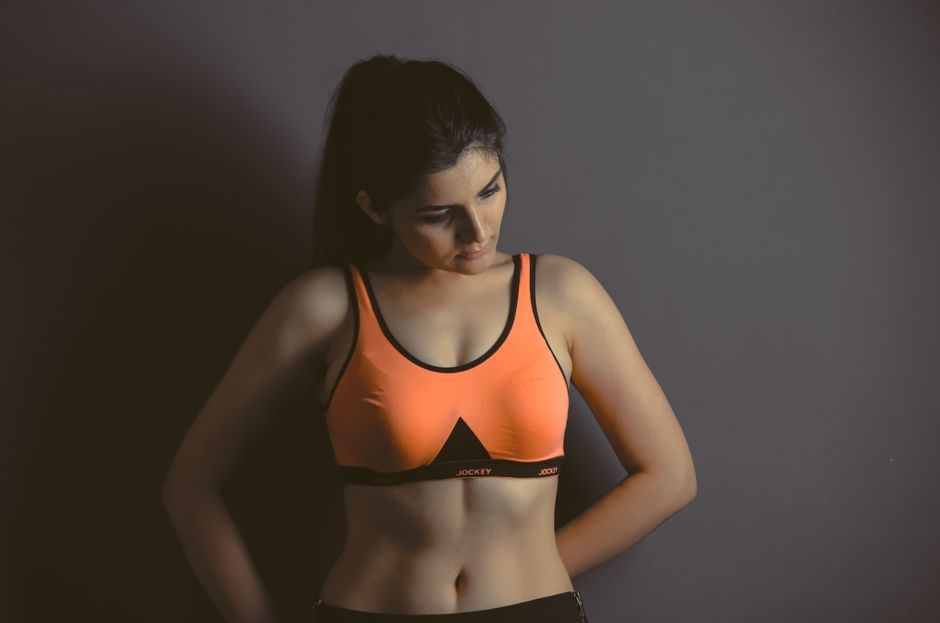
Fine‑tune straps and band for a snug fit. Tighten the band to keep the bra in place‚ and adjust straps to balance coverage. Light‚ breathable fabrics reduce irritation‚ while moisture‑wicking material keeps you dry during active wear. Adjust cup size for extra support now.
Band and Strap Adjustments
Achieving a comfortable bra fit begins with fine‑tuning the band and straps. The band should sit snugly around the torso‚ just below the bust line‚ without digging into the ribs. Use a soft‚ elastic band that can be tightened in small increments; many brands offer adjustable band widths or interchangeable band pieces. When the band is too loose‚ the bra will shift‚ causing the cups to sag and the straps to pull. If it’s too tight‚ it can create visible creases and restrict breathing. A good rule of thumb is to slide the band under the arm and feel for a gentle‚ steady pressure that holds the bra in place without pinching.
Strap adjustment is equally critical. Start with the straps at a 90‑degree angle to the body‚ and then slide them up or down until the bra feels secure yet comfortable. The straps should rest on the shoulders without digging into the skin or causing a “strap‑pull” sensation. Adjust the strap length by loosening the hook or tightening the clasp until the bra sits evenly across the back. A well‑adjusted bra distributes weight evenly‚ reducing shoulder strain and preventing the cup from slipping. For additional support‚ consider straps with padded or silicone‑lined inserts that absorb friction and keep the straps in place. Always check the fit from multiple angles—front‚ side‚ and back to ensure the band and straps work harmoniously. By mastering these adjustments‚ you can transform an ill‑fitting bra into a supportive‚ comfortable foundation for any outfit.
Fabric and Support Considerations
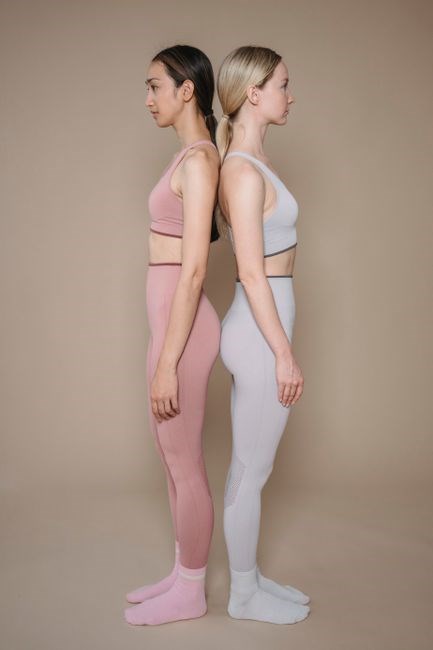
Choosing the right fabric is essential for both comfort and support. Lightweight cotton blends offer breathability for everyday wear‚ while moisture‑wicking polyester helps keep the skin dry during active sessions. For maximum support‚ look for structured fabrics such as nylon‑spandex blends that provide shape retention without sacrificing flexibility. Seamless designs reduce friction points‚ minimizing irritation under the arms and along the back. If you need extra lift‚ consider a bra with a reinforced underband—often made from a denser mesh or a ribbed knit that distributes pressure evenly across the torso. Padded cups can add contour‚ but they may also trap heat; opt for breathable mesh panels if you prefer a cooler feel. For those with larger busts‚ a double‑layered cup construction can prevent gaping and maintain shape over time. Additionally‚ adjustable hook‑and‑eye closures allow you to fine‑tune the band tension‚ ensuring the fabric stays in place. Finally‚ pay attention to the lining: a soft‚ hypoallergenic material like bamboo or modal can reduce allergic reactions and enhance overall comfort. By pairing the right fabric with thoughtful construction‚ you’ll achieve a bra that feels as good as it looks‚ supporting you through every movement. By selecting fabrics that balance durability with softness‚ and by ensuring the bra’s construction accommodates natural body movements‚ you create a garment that not only looks great but also supports breast‚ reducing the risk of pain.!!
 bat buying guide
  tv guide monroe michigan
  optimal weight 5 & 1 plan guide pdf
  tracker pro guide v-175
  visual analogy guide to human anatomy
  trial of the crusader guide
  bra fit guide
  cell organelles worksheet pdf
  tough nursing leadership interview questions pdf
  god of wrath pdf