
The Spider and the Fly PDF: A Comprehensive Overview (Updated 04/09/2026)
The Spider and the Fly’s PDF versions offer detailed analyses, line-by-line explanations, and moral lessons regarding flattery and deceit, dating back to 1829.
Historical Context of the Poem
Mary Botham Howitt’s “The Spider and the Fly” emerged during a period of burgeoning Victorian moral literature in 1829. This era emphasized didactic poetry aimed at imparting ethical lessons, particularly to children. The poem reflects anxieties surrounding social climbing and the dangers of superficial charm, prevalent themes in early 19th-century society.
The poem’s allegorical nature resonated with a readership accustomed to interpreting narratives for hidden meanings. Its simple rhyme scheme and repetitive structure made it easily accessible for young audiences, while its cautionary tale served as a warning against vanity and gullibility. The PDF versions circulating today often contextualize the poem within this historical framework, highlighting its relevance to the social norms and moral concerns of its time.
Mary Botham Howitt: Author Biography
Mary Botham Howitt (1799-1888) was a prolific English poet, novelist, and writer of children’s literature. Though often remembered for “The Spider and the Fly,” her extensive body of work encompassed a wide range of genres, including travel writing and biographies. She collaborated frequently with her husband, William Howitt, on various literary projects.
Howitt’s writing often focused on social issues and moral themes, reflecting her Quaker beliefs. PDF analyses of her work frequently note her commitment to portraying realistic characters and exploring complex relationships. Her enduring legacy lies in her ability to craft engaging narratives that simultaneously entertain and educate, as clearly demonstrated in the timeless appeal of her cautionary verse.
Publication Details and Early Reception (1829)
“The Spider and the Fly” was first published in 1829 as part of a collection of Mary Howitt’s poems. Early reception to the poem was positive, with critics and readers alike recognizing its clever use of allegory and its memorable rhyme scheme. PDF versions circulating today often highlight the poem’s immediate impact on Victorian audiences.
The poem quickly gained popularity as a moral lesson for children, warning against the dangers of flattery and deceit. Its simple yet effective narrative resonated with both young and old. The enduring availability of the poem in PDF format demonstrates its continued relevance and educational value, even centuries after its initial publication.

Analyzing the Poem’s Content
PDF analyses reveal the poem’s central narrative: the spider’s deceptive tactics and manipulation of the fly, showcasing a parable about dangerous flattery.
The Central Narrative: Spider’s Deception
The Spider and the Fly’s narrative, readily available in PDF format, centers on the spider’s calculated deception of the unsuspecting fly. The spider employs flattery and enticing invitations – “Will you walk into my parlour?” – to lure the fly into its deadly web. This isn’t a simple hunt; it’s a carefully orchestrated manipulation.
PDF resources highlight how the spider’s offers of comfort and curiosity (“many curious things to shew”) mask a sinister intent. The poem, as detailed in these documents, demonstrates a predatory dynamic where the spider exploits the fly’s vanity and naiveté. The fly’s repeated acceptance of the spider’s invitations ultimately leads to its tragic demise, emphasizing the dangers of trusting insincere compliments and deceptive appearances.
Symbolism of the Spider and the Fly
PDF analyses of “The Spider and the Fly” consistently explore the potent symbolism embedded within the poem. The spider, frequently detailed in these documents, represents cunning predators and deceptive individuals who exploit vulnerability. Conversely, the fly embodies innocence, naiveté, and a susceptibility to flattery.
The spider’s web, as explained in PDF resources, symbolizes entrapment and the consequences of poor judgment. The poem, available as a PDF, functions as an allegory, warning against the dangers of vanity and trusting untrustworthy characters. The fly’s downfall serves as a cautionary tale, reinforcing the importance of discernment and resisting manipulative tactics, a theme thoroughly examined within the PDF’s textual breakdown.
Key Lines and Their Significance: “Will you walk into my parlour?”
PDF versions of “The Spider and the Fly” repeatedly highlight “Will you walk into my parlour?” as the pivotal line initiating the fly’s tragic fate. This seemingly polite invitation, dissected in detail within the PDF analyses, represents the spider’s initial act of deception and manipulation.
The PDF documents emphasize that the “parlour” symbolizes a dangerous, alluring trap, masked by the spider’s charming facade. The line’s significance lies in its subtle coercion, drawing the fly closer to peril through flattery. Subsequent lines, also explored in the PDF, reveal the spider’s escalating attempts to ensnare the fly, demonstrating the power of persuasive language and its potentially devastating consequences, as illustrated throughout the poem’s PDF format.
The Role of Flattery in the Spider’s Strategy
PDF analyses of “The Spider and the Fly” consistently underscore flattery as the spider’s primary weapon. The PDF materials detail how the spider employs compliments and enticing offers – a comfortable bed, curious sights – to lower the fly’s guard. These tactics, meticulously examined within the PDF, aren’t genuine expressions of kindness but calculated maneuvers to achieve predation.
The PDF versions emphasize that the poem serves as a cautionary tale against succumbing to insincere praise. The spider’s flattery is presented as “idle, silly flattering words” that children should avoid, as explicitly stated in the poem and reiterated in the PDF’s moral lessons. The PDF highlights how this strategy ultimately leads to the fly’s demise, reinforcing the poem’s central message.
Educational Applications & Resources
PDF resources facilitate classroom discussions on manipulation, deceit, and critical thinking, using the poem as a moral lesson for young children effectively.
The Poem as a Moral Lesson for Children

The Spider and the Fly, readily available as a PDF, serves as a potent moral allegory for children. The poem vividly illustrates the dangers of vanity and heedlessly accepting flattery from untrustworthy sources. It teaches young readers to be cautious of smooth talkers and manipulative individuals, emphasizing the importance of discernment.
The spider’s deceptive tactics – inviting the fly into his parlor with promises of curiosities – represent the allure of temptation. The fly’s eventual demise underscores the consequences of ignoring wise counsel and succumbing to flattery. The concluding verses directly address “dear little children,” urging them to “neer give heed” to flattering words and to “close heart, and ear, and eye” to evil counselors. This direct address reinforces the poem’s didactic purpose, making it a valuable tool for character education.
Using the PDF for Classroom Discussions
The readily accessible PDF of The Spider and the Fly provides an excellent springboard for engaging classroom discussions. Teachers can utilize the poem’s clear narrative and moral message to explore themes of manipulation, trust, and critical thinking with students. Analyzing the spider’s persuasive language and the fly’s naive responses fosters comprehension of rhetorical devices.
Discussions can center on identifying instances of flattery, predicting consequences, and debating the fly’s choices. Comparing the poem’s allegory to real-life scenarios helps students apply the lesson to their own experiences. Furthermore, exploring different interpretations of the poem, and referencing illustrated versions like Tony DiTerlizzi’s, enriches the learning experience and encourages creative engagement.
Availability of “The Spider and the Fly” PDF Online
Numerous online platforms offer free access to the “The Spider and the Fly” PDF. Websites hosting the document provide convenient downloads in PDF format, alongside options for Text File (.txt) viewing and reading. English Wikisource features the original poem text, offering a reliable source for scholarly purposes.
A quick internet search reveals multiple sources for the poem, catering to diverse needs – from educational resources to personal reading. These digital formats enhance accessibility, allowing students and enthusiasts to easily study and share Mary Howitt’s cautionary tale. The widespread availability ensures the poem’s enduring legacy continues to reach new audiences.
Illustrated Editions and Adaptations
Tony DiTerlizzi’s acclaimed 2003 Caldecott Honor book beautifully illustrates the poem, while other artistic interpretations offer unique visual perspectives.
Tony DiTerlizzi’s Caldecott Honor Book (2003)
Tony DiTerlizzi’s stunning 2003 illustrated edition of “The Spider and the Fly” received a Caldecott Honor, recognizing its exceptional artistic merit. This version breathes new life into Mary Howitt’s cautionary tale, captivating readers with its intricate and slightly unsettling artwork.
DiTerlizzi masterfully portrays the spider as both alluring and menacing, while the fly embodies innocence and naiveté. The illustrations amplify the poem’s themes of manipulation and predation, making the story even more impactful for young audiences. The book’s success demonstrates the enduring appeal of the poem and the power of visual storytelling to enhance classic literature. It remains a popular choice for introducing children to both the poem and the art of illustration.
Other Illustrated Versions and Artistic Interpretations
Beyond Tony DiTerlizzi’s acclaimed rendition, numerous other illustrated versions of “The Spider and the Fly” exist, each offering a unique artistic perspective on Mary Howitt’s poem. These interpretations vary widely in style, from traditional watercolor paintings to more modern digital artwork.
Artists often emphasize different aspects of the story – some focus on the spider’s deceptive charm, while others highlight the fly’s vulnerability. These diverse illustrations demonstrate the poem’s adaptability and its continued relevance as a source of inspiration for visual artists. Exploring these different versions provides a richer understanding of the poem’s themes and its enduring power to captivate and warn.
Themes and Literary Devices
The Spider and the Fly utilizes allegory, repetition, and rhyme to explore themes of manipulation, predation, and the dangers of succumbing to flattery.
The Theme of Manipulation and Predation
The Spider and the Fly profoundly illustrates the theme of manipulation, showcasing how the spider skillfully employs flattery and deceptive invitations to lure the unsuspecting fly. This poem serves as a cautionary tale, vividly depicting predatory behavior where the spider’s intentions are far from benevolent.
The spider doesn’t resort to force, but rather utilizes cunning and persuasive language – “Will you walk into my parlour?” – to gain control. The fly’s eventual demise underscores the perilous consequences of trusting insincere compliments and ignoring warnings. The PDF analyses highlight this dynamic, emphasizing how the spider’s actions represent a deliberate strategy of predation masked by charm. It’s a stark reminder to be wary of those who offer excessive praise, as their motives may be self-serving and ultimately harmful.
Use of Repetition and Rhyme Scheme
The Spider and the Fly masterfully employs a consistent AABB rhyme scheme, creating a captivating rhythm that draws readers, particularly children, into the narrative. This predictable pattern enhances memorability and reinforces the poem’s cautionary message. Repetition, notably in the spider’s inviting questions – “Will you walk into my parlour?” – builds suspense and emphasizes the spider’s persistent, manipulative tactics.
PDF analyses often point to how this stylistic choice isn’t merely aesthetic; it mirrors the spider’s relentless pursuit. The rhythmic flow lulls the fly into a false sense of security, making it more susceptible to the spider’s deception. The poem’s structure, therefore, actively contributes to its thematic exploration of vulnerability and predation.
Allegory and Parable in the Poem
The Spider and the Fly functions powerfully as both an allegory and a parable, offering a layered reading experience accessible to all ages. On a surface level, it’s a simple narrative of a fly’s tragic fate. However, the poem deeply allegorizes the dangers of vanity and the manipulative power of flattery, representing broader societal vulnerabilities.
PDF resources highlight how the spider embodies deceitful individuals who exploit others’ weaknesses. The fly symbolizes naiveté and a susceptibility to empty praise. As a parable, it delivers a clear moral lesson: heed warnings and avoid those offering insincere compliments. The poem’s enduring relevance stems from its universal message about discerning genuine intentions.

Digital Formats and Accessibility
The Spider and the Fly is readily available as a PDF, text file (.txt), and through online platforms like Wikisource, ensuring broad access.
PDF Format: Advantages and Disadvantages
PDFs offer excellent preservation of formatting, ensuring “The Spider and the Fly” appears as intended, with consistent layout across devices – crucial for illustrated editions like Tony DiTerlizzi’s. They are easily downloadable and shareable, facilitating educational use and personal access to this cautionary tale. However, PDFs aren’t natively editable, hindering annotation without specialized software.
Furthermore, PDF accessibility can be a concern; text-based PDFs are screen-reader friendly, but image-based ones require Optical Character Recognition (OCR) for accessibility. File size can also be a disadvantage, potentially larger than simpler text formats. Despite these drawbacks, the PDF remains a popular choice for distributing and archiving “The Spider and the Fly,” balancing visual fidelity with portability.
Text File (.txt) Availability and Uses
Plain text (.txt) versions of “The Spider and the Fly” provide a stripped-down, universally accessible format, ideal for quick reading and copying. Their small file size makes them easily shareable and suitable for devices with limited storage. While lacking the visual enhancements of a PDF, .txt files excel in compatibility – opening on virtually any device without specialized software.
These files are beneficial for linguistic analysis, allowing easy searching and manipulation of the poem’s text to study rhyme schemes and repetition. However, formatting is entirely lost, and illustrations are absent. Despite these limitations, the .txt format serves as a practical option for accessing the core narrative of Mary Howitt’s cautionary verse.
Online Reading Options and Wikisource
English Wikisource hosts the original text of “The Spider and the Fly,” offering a freely accessible digital version of Mary Howitt’s poem. This platform allows readers to engage with the work in its original form, contributing to a collaborative archive of literature. Beyond Wikisource, numerous websites provide online reading experiences, often featuring the poem alongside analyses and interpretations.
These online options eliminate the need for downloads, enabling immediate access via web browsers. While PDF versions offer portability, online reading provides convenience and potential for interactive features. Accessing the poem through Wikisource also supports open-source knowledge sharing and preservation of literary heritage.
Related Works and Authors
Mary Howitt penned other works, and poems exploring deceit, like those by A.A. Milne, resonate thematically with “The Spider and the Fly.”
Connections to Other Works by Mary Howitt
Mary Botham Howitt was a prolific writer, extending beyond the cautionary tale of “The Spider and the Fly.” Her body of work encompasses poetry, prose, and even translations, often reflecting social concerns and moral instruction. While not always as widely recognized as this particular poem, her other writings frequently explore themes of vulnerability, manipulation, and the importance of discernment.
Investigating her broader literary output reveals a consistent focus on character development and the consequences of choices. Many of her poems, similar to “The Spider and the Fly,” serve as allegorical lessons, designed to impart wisdom to readers of all ages. Exploring these connections provides a richer understanding of Howitt’s artistic vision and her enduring legacy as a didactic poet.
Similar Poems Exploring Themes of Deceit

“The Spider and the Fly” resonates with a tradition of literature cautioning against the dangers of flattery and false appearances. Numerous poems throughout history tackle similar themes of manipulation and predation, often employing animal fables or allegorical narratives. Works exploring the vulnerability of innocence to cunning deceit frequently mirror Howitt’s cautionary approach.
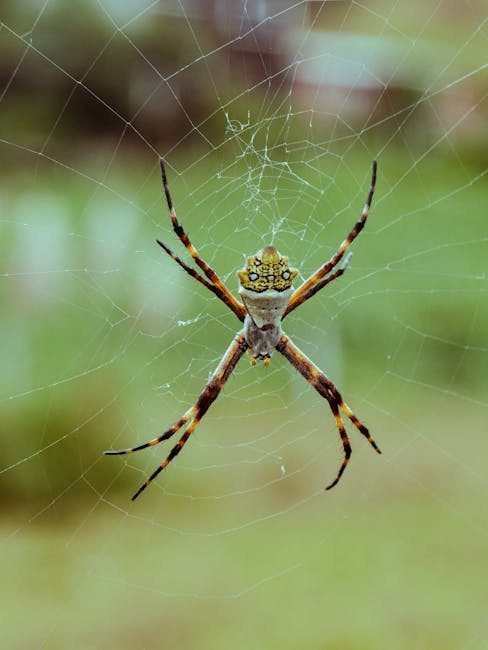
Examining poems with comparable moral frameworks reveals recurring motifs of trust betrayed and the consequences of naiveté. These literary parallels demonstrate a universal concern with protecting individuals from exploitation. Identifying these connections enriches our appreciation of “The Spider and the Fly” within a broader poetic landscape focused on ethical awareness.
Influence of A.A. Milne’s Works (mentioned in related documents)
A.A. Milne, celebrated for the Winnie-the-Pooh stories and poems from Now We Are Six and Wind on the Hill, shares thematic resonances with Mary Howitt’s “The Spider and the Fly,” though differing in tone. While Milne’s work is generally gentler, both authors explore childhood vulnerabilities and the importance of discerning character.
Related documents suggest a connection in how both authors utilize animal characters to convey moral lessons. Milne’s poems, like “Vespers,” often contain subtle warnings about the world, mirroring Howitt’s direct cautionary tale. The presence of Milne’s works in related searches indicates a comparative interest in children’s literature addressing complex themes.
 cell organelles worksheet pdf
  tough nursing leadership interview questions pdf
  god of wrath pdf
  healing scriptures kenneth hagin pdf
  salesforce admin certification dumps 2020 pdf free
  exercise band workouts pdf
  babyletto hudson crib instructions
  bra fit guide